Our treatments

Dental erosion

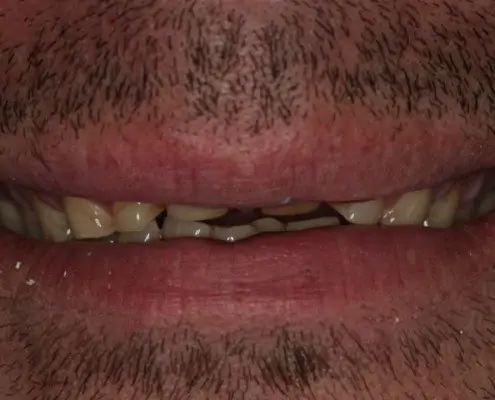
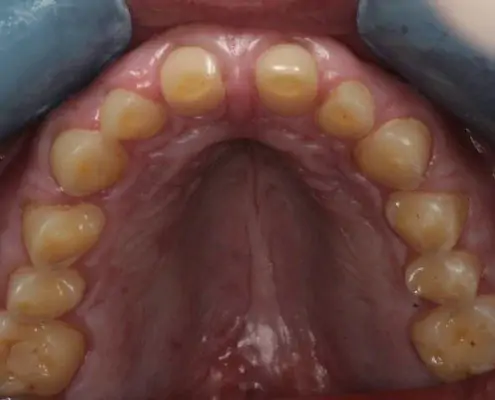
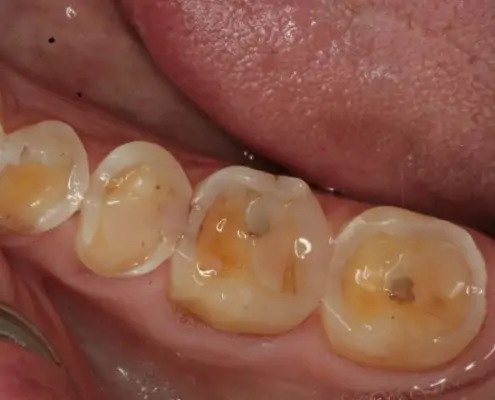
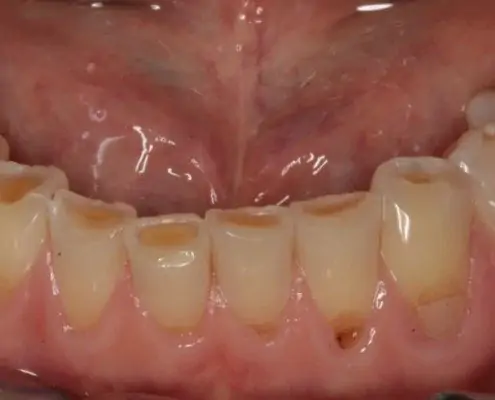
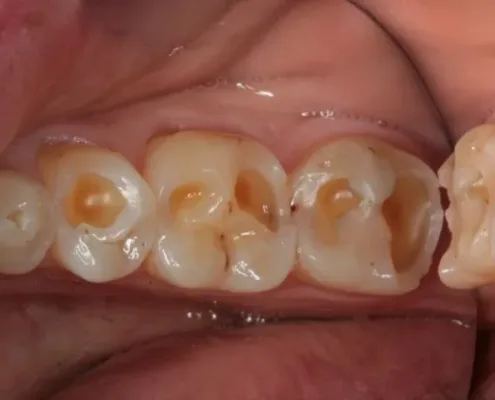
Dental erosion is a serious but often overlooked condition in which dietary or gastric acids gradually wear away the different layers of the teeth.

Scientific studies have shown that, depending on age, between 30% and 50% of people in Switzerland are affected by dental erosion.

Dental erosion,
an often overlooked problem

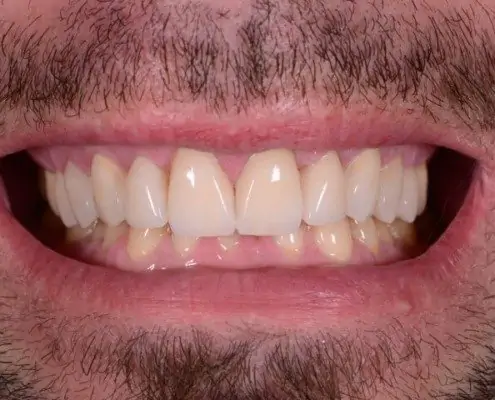
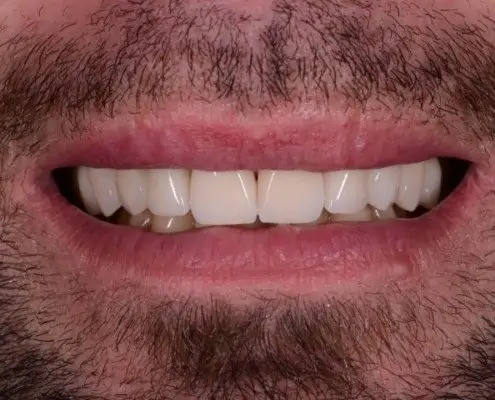
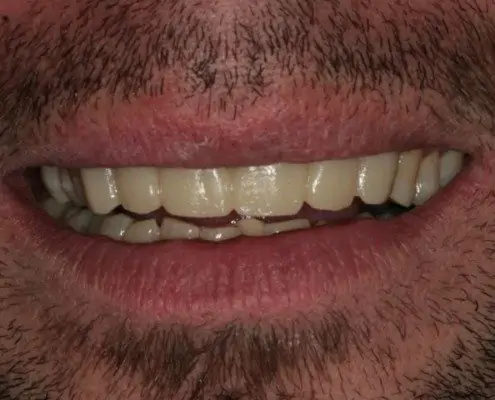
Before / After

Investissez dans votre sourire

Aucun tarif trouvé pour ce soin.

Recognising the signs of dental erosion

Dental erosion can be detected during a dental examination or professional cleaning. Yellowing teeth, increased sensitivity to hot or cold temperatures, or dental pain may be signs of dental erosion.

Results from D1 Dental Concept

Our experienced dentists specialise in diagnosing and treating dental erosion. We use minimally invasive techniques to restore damaged teeth while preserving as much healthy tooth structure as possible, providing aesthetic and long-lasting results.

How can dental erosion be prevented ?

Gastric reflux: be aware of the risks

Approximately one third of people in industrialised countries experience gastro-oesophageal reflux.

Gastric reflux often goes unnoticed because it occurs during sleep. Lying down makes reflux more likely.

If you experience symptoms such as heartburn, a burning sensation in the oesophagus or acid rising into your mouth, consult your doctor for an assessment. The same applies if you experience frequent vomiting.

You should also consult a dentist, who can recommend appropriate measures to protect your teeth.

Limit your consumption of acidic foods and drinks

Soft drinks, energy drinks and fruit juices often have a very low pH and can gradually dissolve tooth enamel.

Avoid consuming these products too frequently or in excessive quantities.

Although citrus fruits are healthy, they are acidic, and consuming large quantities may contribute to enamel erosion.

What can I do to reduce the effects of dietary or gastric acids on my teeth?

After consuming an acidic food or drink, vomiting or experiencing acid reflux in your mouth, we recommend rinsing your mouth with water and waiting 30 to 45 minutes before brushing your teeth.

Acids temporarily demineralise and soften the outer layer of enamel. Brushing immediately afterwards may cause greater abrasion of this weakened surface.

This allows saliva enough time to neutralise the acid and remineralise the enamel surface.

Regular use of fluoride products, gels or mouth rinses helps strengthen the enamel and reduce the effects of acids.

Always use these products according to the manufacturer’s instructions. Fluoride can be toxic if swallowed in excessive amounts.

What treatments are available for dental erosion ?

At an early stage, treatment generally involves working with your dentist to identify the precise cause of the erosion and addressing it by changing your dietary and oral hygiene habits. In cases of gastric reflux, an examination by a specialist may be recommended.

Fluoride products specifically formulated for dental erosion can help remineralise the remaining enamel.

When erosion is more severe, comprehensive restorative treatment may be recommended to restore the appearance and chewing function of your teeth.

The dentists at D1 Dental Concept are experienced in diagnosing and treating dental erosion.

We use the latest minimally invasive techniques to restore this type of damage while preserving as much remaining tooth structure as possible.

Quelles précautions je peux prendre pour diminuer l’effet des acides alimentaires ou gastriques sur mes dents ?

Les acides vont déminéraliser et « ramollir » temporairement la couche superficielle de l’émail.  En se brossant les dents tout de suite, cette couche de surface sera abrasée de manière plus importante.

Après la consommation d’un aliment ou d’une boisson acide, après un vomissement ou avoir ressenti un reflux d’acide dans la bouche nous vous conseillons de vous rincer la bouche avec de l’eau et d’attendre 30 à 45 minutes avant de vous brosser les dents.

C’est le temps qu’il faut à la salive pour neutraliser l’acide et reminéraliser  la surface de l’émail.

L’utilisation régulière de produits fluorés, gels ou rinçages de bouche, augmente la minéralisation de l’émail et diminue les effets des acides.

Attention toutefois à utiliser ces produits selon les recommandations des fabricants. Le fluor est toxique en cas d’ingestion excessive.
Crowns and veneers

Some teeth may be more extensively damaged because of significant decay, a fracture or long-term wear. In these cases, more comprehensive restoration may be considered.

Root canal treatment

When decay progresses into the tooth and reaches the pulp, root canal treatment may become necessary. The aim is to treat the internal infection or inflammation and preserve the tooth rather than extract it.

Personalised care

Advice tailored to
your needs

During each consultation, our team assesses your interdental hygiene
and recommends the products best suited to your individual anatomy.